Trauma Therapy in Etobicoke Healing that moves at your pace
Trauma-informed therapy in person at our Lake Shore clinic or online anywhere in Ontario. Make sense of what you have carried, with a therapist who puts safety, choice and your lived experience at the centre of the work.


About trauma
What is trauma?
Trauma is not only about what happened. It is about what you had to do to get through it, and what you deserve now.
Trauma is not defined only by what happened, but by how it affected you. Some trauma follows a single overwhelming event. Much of it is quieter and longer lasting: growing up in a home that did not feel safe, being criticized, neglected or controlled over many years, or carrying the weight of what earlier generations lived through. You do not need a dramatic story for your experience to count.
Trauma can shape how you see yourself, how you relate to others and how safe your body feels in the world. You might notice anxiety, numbness, people-pleasing, trouble trusting or a sense that something is wrong with you. These are understandable adaptations, not personal failings.
The many forms trauma takes
Our therapists support people with a wide range of experiences, including:
- Childhood and developmental trauma: abuse, neglect, household chaos or growing up too fast
- Relational trauma: betrayal, emotional abuse and painful patterns in close relationships, including narcissistic abuse
- Religious trauma: fear, shame or loss connected to a faith community or upbringing
- Intergenerational and cultural trauma: pain passed down through families and communities
- Racial trauma: the cumulative impact of racism, discrimination and feeling unsafe or unseen
- Newcomer experiences: displacement, migration and the stress of building a life in a new country
If you are living with flashbacks, nightmares or a constant sense of threat after a frightening event, you may also find our PTSD therapy page helpful, and our EMDR page explains that approach and its current availability.
How therapy can help
Many clients use their sessions to:
- Understand how past experiences shape present reactions
- Build grounding skills for moments of overwhelm
- Ease shame and self-blame
- Set boundaries and recognize relationships that feel safe
- Reconnect with your body, your values and a sense of who you are
Healing is rarely a straight line. Some weeks will feel lighter and others heavier, and that is a normal part of the process rather than a sign that therapy is not working.
What trauma-informed care means here
Trauma-informed care means your therapist prioritizes your safety, choice and sense of control. You decide what to share and when. Early sessions often focus on stability and grounding, so that deeper work happens within what many therapists call your window of tolerance. Your therapist will explain how they work, invite your feedback and respect your cultural, spiritual and family context.
Thought & Feeling is a woman-owned and POC-owned clinic, 2SLGBTQIA+ affirming, with therapy offered in eight languages. Many of our therapists bring cultural, newcomer and queer perspectives to their work.
A calm place to do hard work
Sessions take place in person at our quiet clinic on Lake Shore Boulevard West, a space designed to feel warm and unhurried, or by video and phone anywhere in Ontario. Many clients find that having a consistent, comfortable place to land makes difficult conversations a little easier.
Thought & Feeling is not a crisis service. If you are in immediate danger or thinking about ending your life, call or text 988 or go to the nearest emergency department.
Signs trauma may be affecting you
Only a qualified professional can diagnose, but you might find trauma therapy helpful if you are:
- Feeling on guard, tense or unable to fully relax, even when things are calm
- Struggling to trust others or feel close in relationships
- Noticing the same painful patterns in partners, friendships or at work
- Feeling numb, disconnected or far away from your own life
- Carrying shame or a sense that something is wrong with you
- Finding it hard to say no, set boundaries or know what you need
- Reacting strongly to reminders of the past without always knowing why
- Wondering how your family history or culture has shaped your pain

Trauma experiences we support
Trauma can come from many places. Here are some of the experiences our therapists most often help clients work through.
Childhood and developmental trauma
Abuse, neglect, instability or emotional absence while you were growing up.
Relational trauma
Betrayal, emotional abuse and harm within relationships that were meant to feel safe.
Narcissistic abuse
Recovering from manipulation, gaslighting and control, and learning to trust yourself again.
Religious trauma
Fear, shame or grief connected to a faith community, with respect for your beliefs today.
Intergenerational and cultural trauma
Understanding the pain passed down through families and communities, and what you want to carry forward.
Racial trauma
The cumulative toll of racism and discrimination, explored with therapists who understand.
Newcomer experiences
Displacement, migration and the stress of rebuilding life and belonging in a new country.
-
Birth and medical trauma
A frightening birth, diagnosis or hospital experience that still feels close.
-
PTSD and complex PTSD
Flashbacks, nightmares and a nervous system stuck on high alert after trauma.
Some approaches our therapists use
Your therapist will draw on trauma-informed, evidence-based approaches that suit you, and explain how they work before you begin.
-
Internal Family Systems
Get to know the protective parts of you with compassion, and help the parts that still carry pain.
-
Somatic Therapy
Body-based tools to notice, settle and release the stress your nervous system has been holding.
-
Trauma-Focused CBT
A structured approach that builds coping skills, then gently works through traumatic memories and beliefs.
-
Emotion-Focused Therapy
Make room for emotions that were once unsafe to feel, and learn what they are telling you.
-
Attachment-Based Therapy
Understand how early relationships shaped the way you connect, and build more secure ways of relating.
-
Eye Movement Desensitization and Reprocessing
A structured approach that uses bilateral stimulation to help process distressing memories. Available with select therapists on our team.
-
Narrative Therapy
Separate who you are from what happened to you, and reclaim the story you tell about your life.
-
Dialectical Behaviour Therapy
Practical skills for intense emotions and distress, helping you feel steadier before and during deeper trauma work.
What to expect
From your first message to ongoing sessions, here is how trauma therapy works at Thought & Feeling.
-
Send an inquiry
Fill in the form below or call (647) 499-0440. You do not need to share details of what happened. We reply within 24 hours.
-
Choose your therapist
We recommend trauma-informed therapists who may fit your needs, language and background. Book a 15-minute phone consult with one or more of them and choose who feels right.
-
Your first session
Your therapist will get to know you, what brings you in and what helps you feel safe. You decide what to share and when.
-
Moving forward
Together you will build stability first, then explore the past at a pace that feels manageable. You can adjust the rhythm of sessions any time.
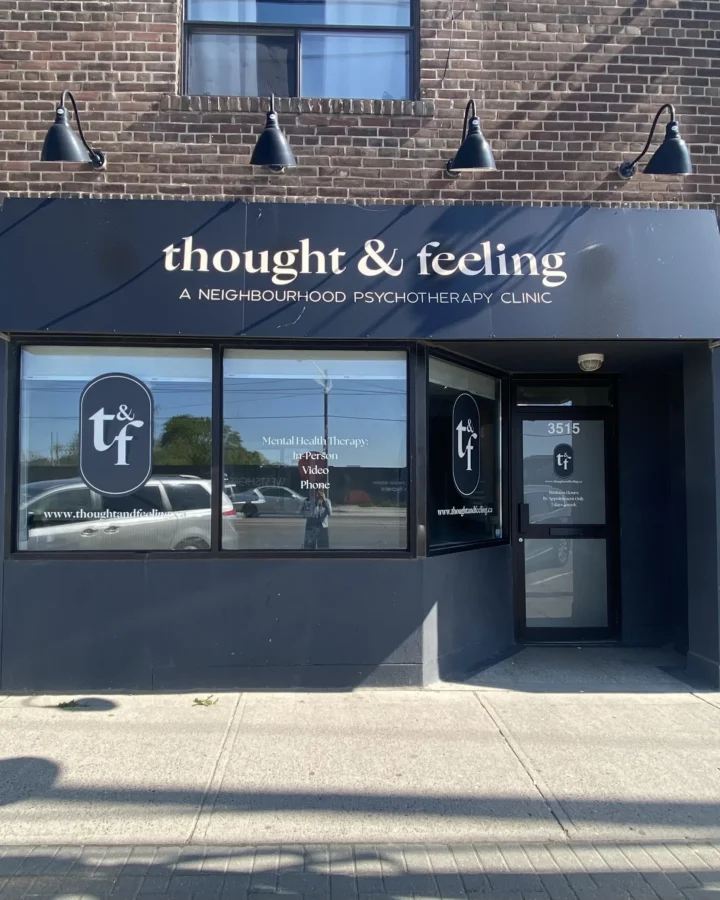

Where you feel most at ease
-
In person on Lake Shore
Meet in our calm, light-filled clinic at 3515 Lake Shore Blvd W, a warm and quiet space with hot drinks, soft light and the streetcar and parking right out front.
-
Video sessions
Secure video sessions through Jane from anywhere in Ontario, from a space at home where you feel safe.
-
Phone sessions
Talk from wherever you feel most comfortable, no camera needed.
Therapists who support trauma recovery
Most of our team works with trauma, using trauma-informed approaches like TF-CBT, IFS and somatic therapy. Filter by language or availability to find someone who feels like the right fit.
-
 Practice full
Melody Phu
Meet Melody -
Accepting new clients
Afshan Ullah
English, Hindi, Urdu, Punjabi
Meet Afshan -
 Accepting new clients
Carrie Triga
Meet Carrie -
 Accepting new clients
Chanel White
Meet Chanel -
Accepting new clients
Heather Saumer
Meet Heather -
Accepting new clients
Kat Parker
Meet Kat -
Accepting new clients
Katherine Chung-Aguilar
Meet Katherine -
Accepting new clients
Kim Dinh
Meet Kim -
Accepting new clients
Monika Arent
English, Polish
Meet Monika -
Accepting new clients
Patty Farias
English, Spanish
Meet Patty -
Accepting new clients
Rachael Fernandes
Meet Rachael -
Accepting new clients
Shagun Sharma
English, Hindi, Urdu
Meet Shagun -
Practice full
Jennifer Li
Meet Jennifer -
Not accepting clients
Sydney Brooks
Meet Sydney -
Not accepting clients
Sara Kassem
Meet Sara



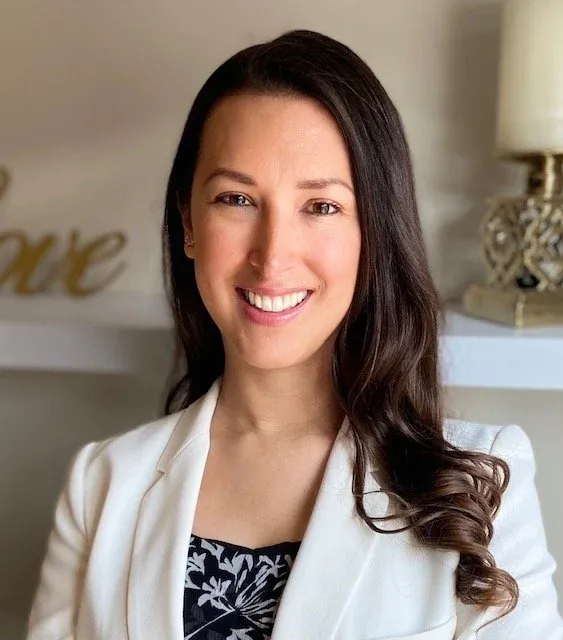
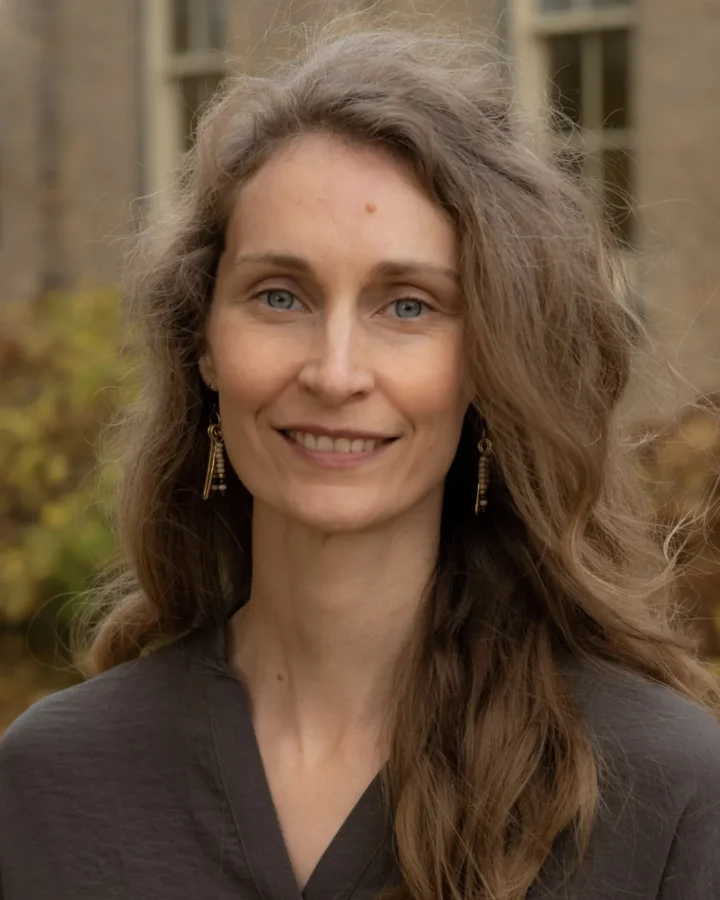


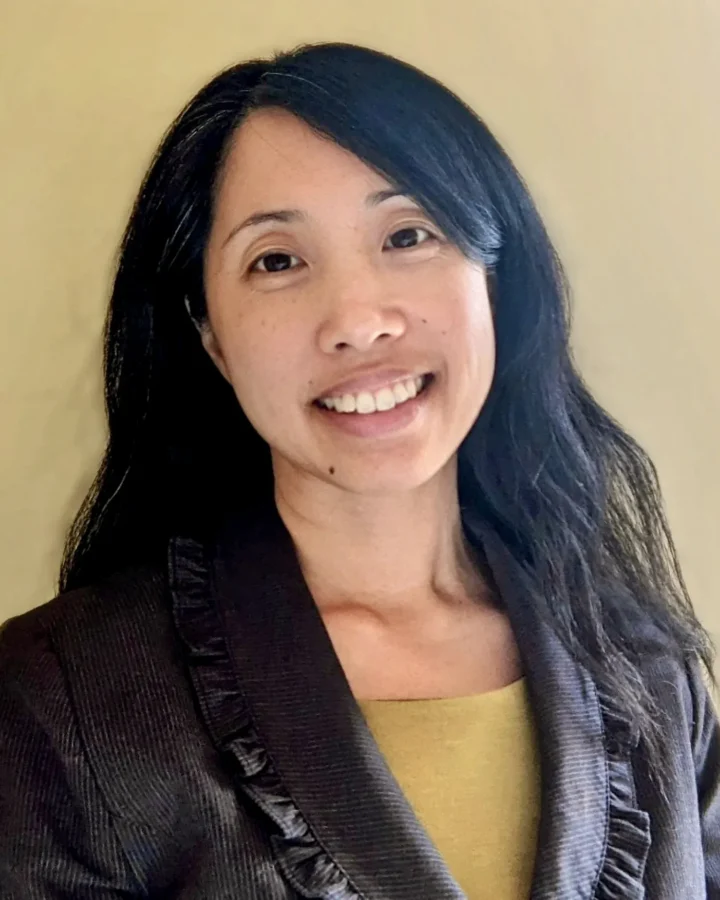
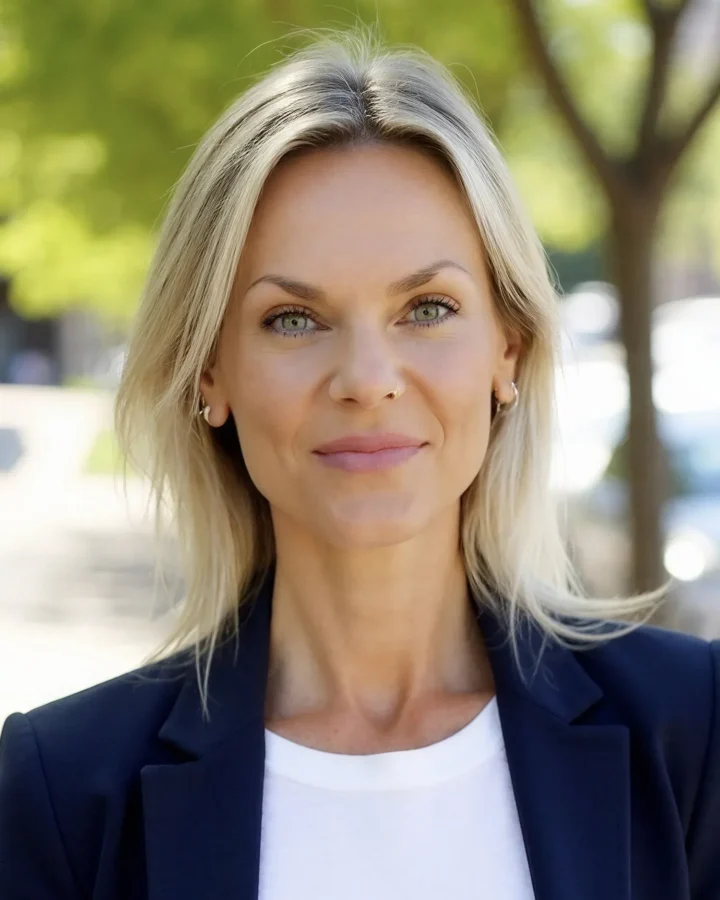
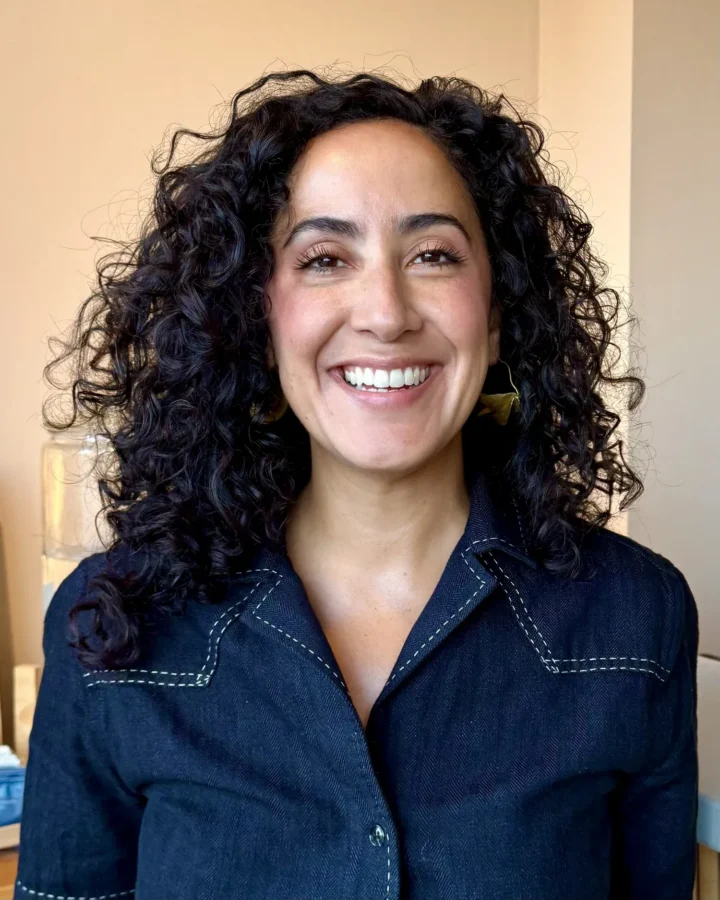



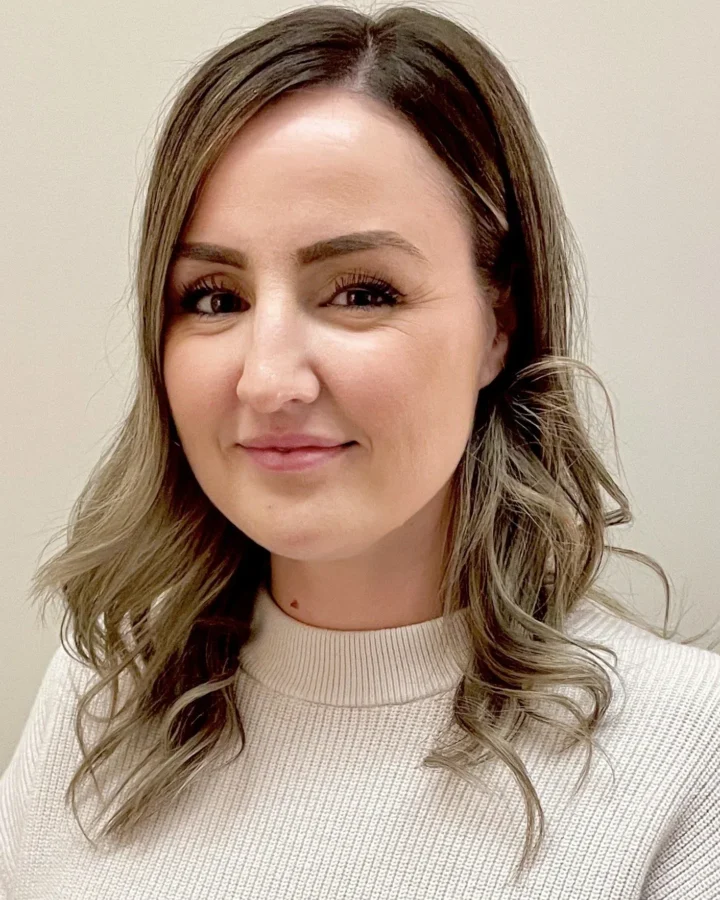

Every situation is different. Other therapists on our team may also be a good fit, so we confirm fit case by case and you can book a free 15-minute consult before deciding.
Fees and insurance
$170 to $190
Per 50-minute individual session, depending on your therapist. No tax is charged on psychotherapy sessions.
Please note: Always check directly with your insurance provider to confirm your coverage. We share general information to help you plan, but your plan decides what is covered.
- Covered by many extended health plans for Registered Psychotherapists and Registered Social Workers
- A receipt after every session for your benefits provider
- No referral needed
- Cancel or reschedule free of charge with 24 hours notice
Trauma therapy questions
What is the difference between trauma and PTSD?
Trauma describes experiences that overwhelmed your ability to cope, and their lasting effects. PTSD is a specific diagnosis that some people develop after trauma, often involving flashbacks, nightmares and feeling constantly on alert. Many people are deeply affected by trauma without meeting the criteria for PTSD, and therapy can help either way.
Does my experience count as trauma?
If something from your past still shapes how you feel, think or relate to others, it is worth exploring. Many people minimize what they went through, especially when it was ongoing or happened in their family. You do not need to prove anything to start therapy.
What does trauma-informed mean?
It means your therapist understands how trauma affects the mind and body, and puts your safety, choice and sense of control first. You set the pace, you can say no to anything, and your therapist will explain what they are doing and why.
Will I have to talk about everything that happened?
No. Some approaches, like IFS and somatic therapy, do not require you to retell your story in detail. Early sessions focus on stability and coping, and you decide what to share and when.
Do you offer EMDR?
One therapist on our team has EMDR Level 1 training, and their practice is currently full. Many of our therapists use other evidence-based trauma approaches. Ask us about current EMDR availability when you reach out.
Can I find a therapist who understands my culture or background?
We hope so. Our team offers therapy in English, Cantonese, Mandarin, Hindi, Urdu, Punjabi, Spanish and Polish, and many therapists bring cultural, newcomer and 2SLGBTQIA+ perspectives. Share what matters to you in your inquiry and we will recommend therapists with that in mind.
Is trauma therapy covered by insurance?
Many extended health benefit plans cover psychotherapy with a Registered Psychotherapist or Registered Social Worker. Contact your insurance plan directly to confirm the professions it covers and your annual maximum. We provide a receipt after each session.
Please note: Always check directly with your insurance provider to confirm your coverage. We share general information to help you plan, but your plan decides what is covered.
Other ways we can help
-
PTSD
Support for post-traumatic stress and complex PTSD.
Learn more -
EMDR
Learn about EMDR and ask about current availability.
Learn more -
2SLGBTQIA+ Affirming Care
Affirming support for queer and trans people and relationships.
Learn more -
Grief
Space to grieve pregnancy loss and the losses that are hard to name.
Learn more




Get started
Take the first step
You do not need to explain everything to reach out. Tell us a little about what you are looking for and we will reply within 24 hours.
New here
Tell us a little about what you are looking for and we will reply within 24 hours to help you find the right therapist.
Fill in the inquiry form- (647) 499-0440
- hello@thoughtandfeeling.ca
- 3515 Lake Shore Blvd W, Etobicoke
- Evening and weekend appointments available
New client inquiry
Private and secure. Only our intake team sees your answers.