Relationship Therapy in Etobicoke Understand how you relate to others
One-on-one therapy for the way you connect with partners, friends, family and dates, and you can come on your own. Meet in person at our calm Lake Shore clinic or online anywhere in Ontario, and work on patterns, boundaries, relationship anxiety and the connections that matter to you.


About relationship therapy
Working on relationships, starting with you
You do not need anyone else in the room to start working on your relationships.
Relationships shape a lot of daily life: how safe you feel, where your energy goes, what you believe you deserve. When the same hurt keeps coming up with different people, or you find yourself saying yes when you mean no, it can be hard to tell what is going on, let alone what to do about it.
Relationship therapy at Thought & Feeling, sometimes called relationship counselling, is one-on-one support for how you relate to others. That can mean a romantic partner, someone you are dating, friends, coworkers, parents, siblings or the family you grew up in. The focus is on your side of things: your patterns, your needs, your limits and what you want from the people in your life.
You can come alone
You do not need a partner, and you do not need anyone else’s agreement. People do this work while single, while dating, after a breakup or when a partner is not interested in therapy. If you and a partner both want to attend, our Couples Therapy page explains how we work with two people in the room. You can also start on your own and talk with your therapist about whether couples sessions make sense later.
What people often work on
- People pleasing, codependency and feeling responsible for everyone else’s feelings
- Setting boundaries without guilt taking over
- Relationship anxiety, such as needing reassurance or reading into every message
- Attachment patterns, such as pulling away or holding on tightly when you feel unsure
- Communication, conflict and the conversations you keep avoiding
- Dating, trust and working out what you want from someone
- Infidelity and broken trust, whichever side of it you are on
- Breakups, separation and divorce, and rebuilding afterwards
- Family of origin, and how the roles you learned at home show up now
- Friendships that have changed, ended or become one-sided
- Loneliness, and wanting closer connection
How relationship therapy can help
Attachment patterns are the habits of connection we learn early, often from the people who raised us. You may have heard them called anxious or avoidant: reaching harder when someone feels far away, or needing space when someone gets close. These are not fixed labels. Your therapist can help you trace these patterns in plain language, look at what they once protected you from and notice when they are still running the show.
The relationship with your therapist can be part of the work too. It is a place to notice how you respond when you feel misunderstood, practise saying what you need and try something different with support. Between sessions, you might try a small boundary or a harder conversation, then come back and talk about how it went. Your therapist is not there to decide who was right. They are there to help you see your part clearly, with care.
All kinds of relationships
Not every relationship follows a script, and you do not have to explain or defend yours here. Thought & Feeling is 2SLGBTQIA+ affirming, and select therapists on our team work with sexuality, intimacy and non-traditional relationships, including ethical non-monogamy and polyamory. Tell us what matters to you when you reach out.
When a relationship has left you doubting yourself
Some relationships involve gaslighting, control or what people often call narcissistic dynamics. You do not need to label anyone to talk about this, and your therapist will not diagnose someone who is not in the room. The focus is on what you experienced, how it affected you and what you want now. Select therapists on our team work with narcissistic relationship dynamics and intimate partner violence, so let us know if this is part of your story and share only as much as you are comfortable with. If you are afraid of a partner, individual sessions are usually a safer place to start than couples therapy.
A calm room for honest conversations
Our clinic on Lake Shore Boulevard West in Etobicoke was designed to feel calm from the moment you walk in, with soft light, natural wood, comfortable chairs and a hot drink waiting. Sitting across from someone in a quiet room, away from your phone and your usual roles, can make it easier to notice how you relate. Video and phone sessions are available anywhere in Ontario if those suit you better.
When you reach out, we reply within 24 hours on business days and recommend a selection of therapists who may fit your needs. You can book a free 15-minute phone consult with one or more of them and choose who feels right.
We are not a crisis service. If you are in immediate danger or thinking about harming yourself, call or text 988 or go to the nearest emergency department.
Signs you might benefit from relationship therapy
Relationships look different for everyone, and you do not need a crisis to reach out. You might recognize some of these experiences:
- Saying yes when you mean no, then feeling resentful or drained
- Having the same argument or hurt with different people
- Feeling anxious and needing reassurance when someone pulls away, or trapped when someone gets close
- Avoiding hard conversations to keep the peace
- Struggling to set a boundary, or to hold it once you have
- Feeling lonely, even around other people
- Finding it hard to trust, or to move on from a relationship that ended
- Doubting your own memory or judgment after a difficult relationship

What we work on
Therapists on our team work with all kinds of relationships, and with the ways these concerns overlap.
-
Romantic relationships and dating
Your side of love and dating, on your own. If you both want to attend, see couples therapy.
Communication and conflict
Saying what you mean, listening under pressure and handling disagreements without shutting down or blowing up.
Boundaries and people pleasing
Learning where you end and others begin, including codependency, and tolerating the discomfort of saying no.
Attachment and relationship anxiety
How you reach for closeness or protect yourself from it, the need for reassurance and where it all began.
-
Family of origin
The roles, rules and hurts from the family you grew up in, and how they show up now.
Friendships
Friendships that have shifted, faded or ended, and making new ones as an adult.
-
Breakups and divorce
The end of a relationship, including the loss of shared plans, homes and identity.
-
Narcissistic relationship dynamics
Making sense of gaslighting, control and self-doubt, whether the relationship is current or over.
Loneliness
Feeling disconnected or unseen, and finding ways to let people in.
Some approaches our therapists use
There is no single way to work on relationships. Your therapist will draw on approaches that suit you and explain how they work along the way.
-
Attachment-Based Therapy
Understand how early bonds shaped the way you reach for people or pull away, and build steadier ways of connecting now.
-
Emotion-Focused Therapy
Get to know the feelings underneath conflict, like hurt or fear, so you can name what you need more clearly.
-
Internal Family Systems
Meet the parts of you that please, protect or withdraw in relationships, and understand what each one is trying to do.
-
Gestalt Therapy
Notice how you relate in the moment, including with your therapist, and experiment with new ways of speaking up and connecting.
-
Dialectical Behaviour Therapy
Practise skills for staying steady in conflict, asking for what you need and saying no while keeping relationships respectful.
-
Narrative Therapy
Separate yourself from old stories about your role in relationships, such as being too much, and write your own version.
-
Psychodynamic Therapy
Explore how past relationships echo in the present, so that repeating patterns become easier to see and understand.
-
Cognitive Behavioural Therapy
Notice the assumptions that drive your reactions, like expecting rejection, and test out new responses in everyday relationships.
What to expect
From your first message to ongoing sessions, here is how relationship therapy works at Thought & Feeling.
-
Send an inquiry
Fill in the form below or call (647) 499-0440. Share as much or as little as you like. We reply within 24 hours on business days.
-
Choose your therapist
We recommend a selection of therapists who may fit your needs. Book a free 15-minute phone consult with one or more of them and choose who feels right.
-
Your first session
Your therapist will get to know you, your relationships and what you would like to feel different. You set the pace, and there is no pressure to share everything at once.
-
Moving forward
Together you will set goals and practise new ways of relating between sessions. You choose a rhythm that suits you, weekly, every other week or as needed, and you can adjust any time.


In person or online, your choice
-
In person on Lake Shore
Meet in our calm, light-filled clinic at 3515 Lake Shore Blvd W, with soft light and hot drinks waiting. We are open seven days a week, with evening and weekend appointments.
-
Video sessions
Secure video sessions through Jane from anywhere in Ontario. Your link arrives with your appointment reminder.
-
Phone sessions
Talk from wherever you feel most comfortable, no camera needed.
Therapists who support relationships
Many therapists on our team support relationships, boundaries and attachment patterns. Filter by language or availability to find someone who feels like the right fit.
-
 Practice full
Melody Phu
Meet Melody -
Accepting new clients
Afshan Ullah
English, Hindi, Urdu, Punjabi
Meet Afshan -
Accepting new clients
Brenda Tsang
English, Cantonese, Mandarin
Meet Brenda -
 Accepting new clients
Carrie Triga
Meet Carrie -
 Accepting new clients
Chanel White
Meet Chanel -
Accepting new clients
Heather Saumer
Meet Heather -
Accepting new clients
Kat Parker
Meet Kat -
Accepting new clients
Katherine Chung-Aguilar
Meet Katherine -
Accepting new clients
Kim Dinh
Meet Kim -
Accepting new clients
Monika Arent
English, Polish
Meet Monika -
Accepting new clients
Patty Farias
English, Spanish
Meet Patty -
Accepting new clients
Rachael Fernandes
Meet Rachael -
Accepting new clients
Shagun Sharma
English, Hindi, Urdu
Meet Shagun -
Practice full
Jennifer Li
Meet Jennifer -
Not accepting clients
Sydney Brooks
Meet Sydney -
Not accepting clients
Sara Kassem
Meet Sara
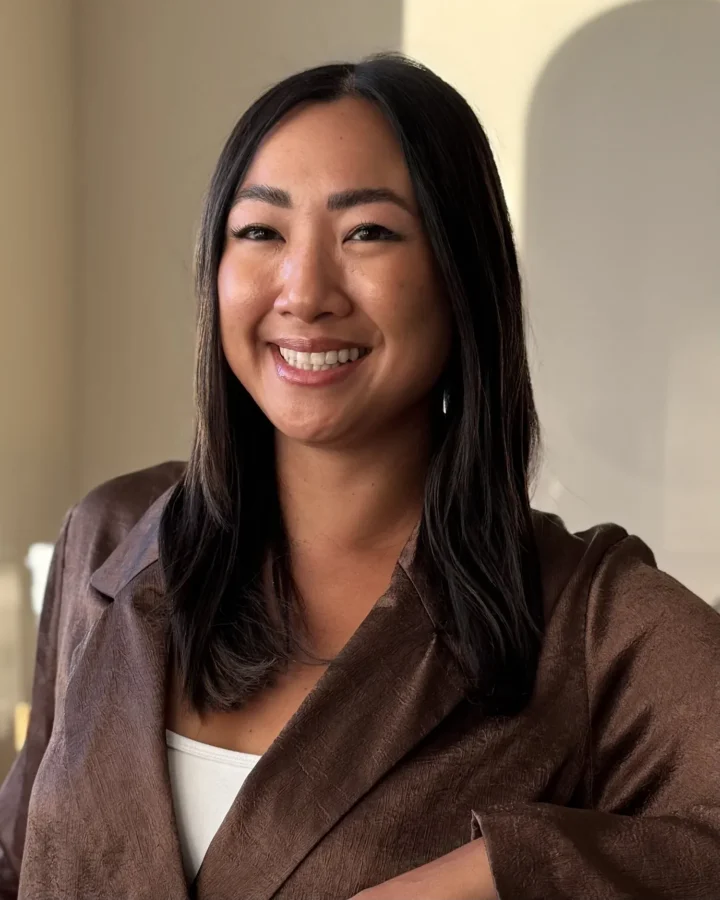



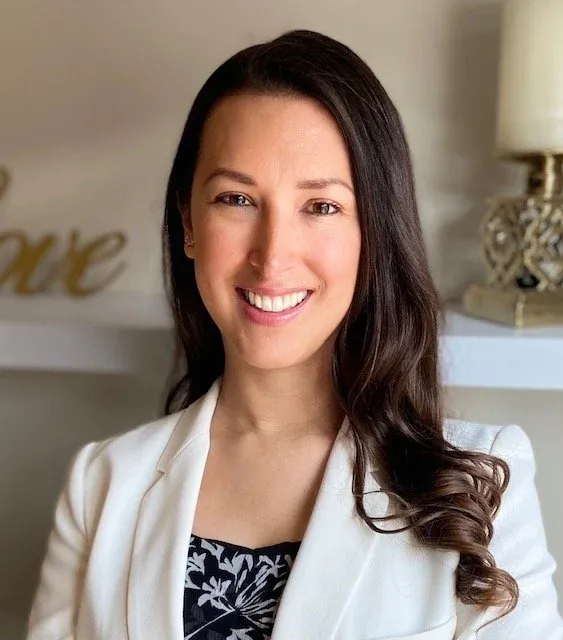




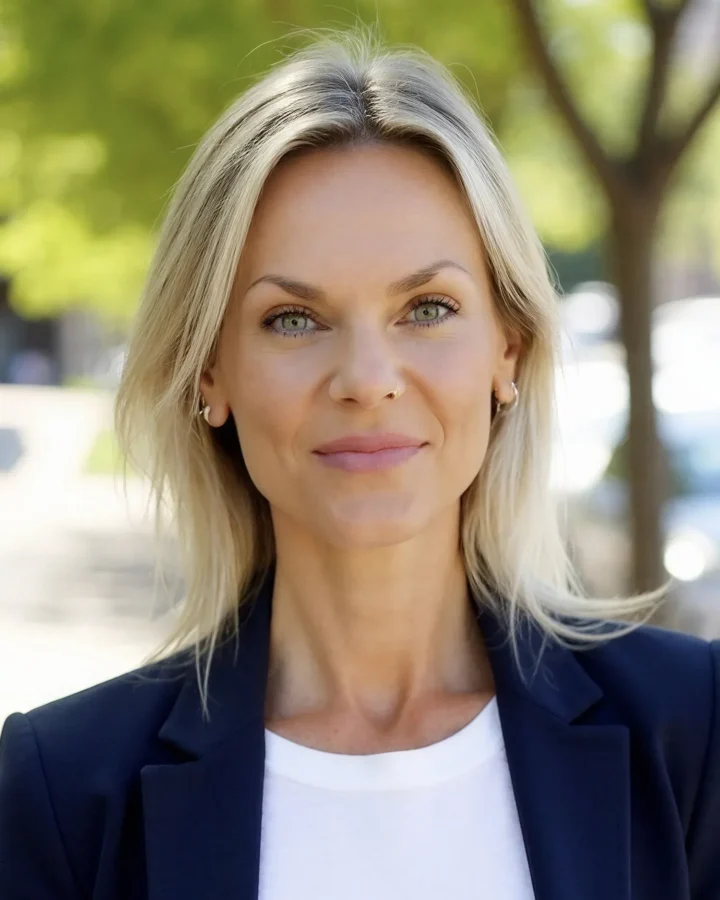
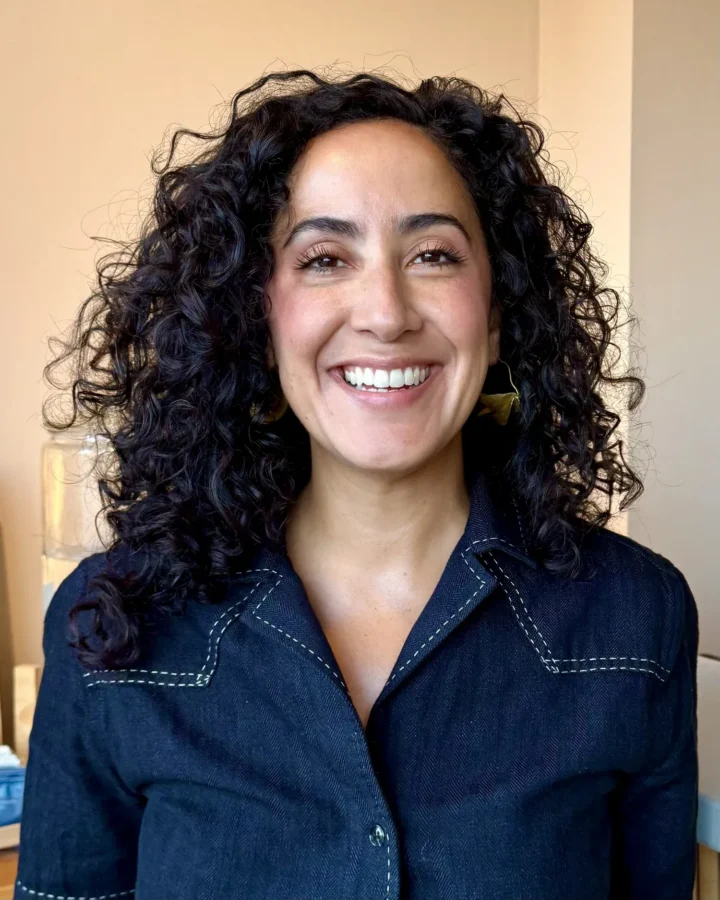

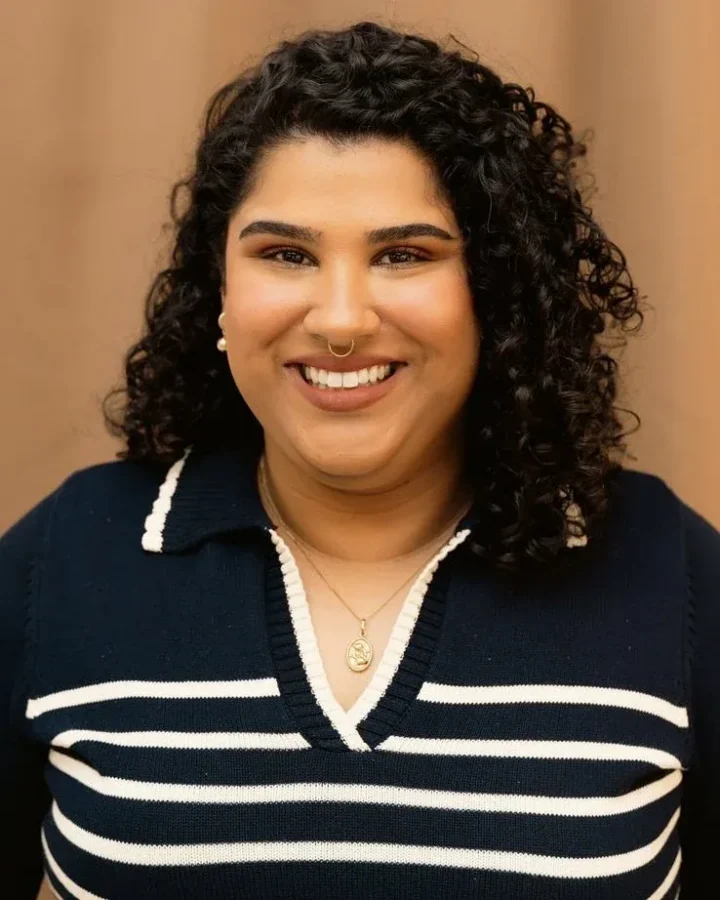

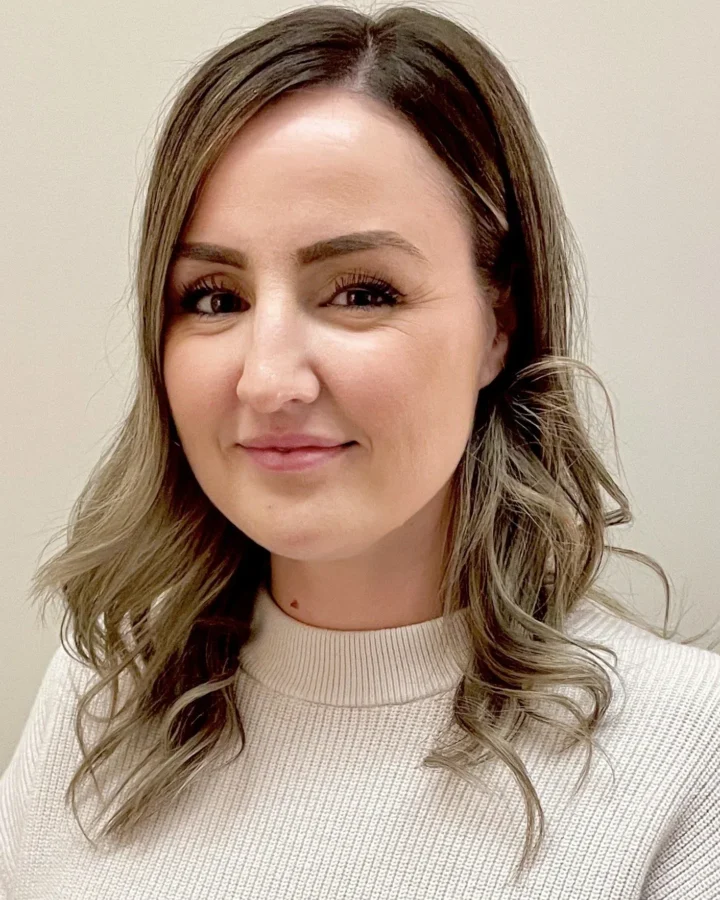

Every situation is different. Other therapists on our team may also be a good fit, so we confirm fit case by case and you can book a free 15-minute consult before deciding.
Fees and insurance
$170 to $190
Per 50-minute individual session, depending on your therapist, with longer sessions available as needed at a proportionate rate. If you attend with a partner, couples sessions are $195 to $225. No tax is charged on psychotherapy sessions.
Please note: Always check directly with your insurance provider to confirm your coverage. We share general information to help you plan, but your plan decides what is covered.
- Covered by many extended health plans for Registered Psychotherapists and Registered Social Workers
- We do not direct bill: pay for each session, then submit your receipt to your insurer
- No referral needed to get started
- Cancel or reschedule free of charge with 24 hours notice
Relationship therapy questions
Can I come to relationship therapy on my own?
Yes. Relationship therapy here is one-on-one, so you do not need a partner or anyone else to attend. You can come whether you are single, dating, partnered, separated or somewhere in between, and whether or not a partner is willing to join you. Working on your own patterns, needs and limits can help you get clearer on what you want either way.
What is the difference between relationship therapy and couples therapy?
Relationship therapy is one-on-one and focuses on how you relate to others, while couples therapy works with both partners in the room. If you both want to attend, our Couples Therapy page explains how it works.
Is relationship therapy only about romantic relationships?
No. Many people come to work on friendships, parents, siblings, coworkers or loneliness, or after a breakup or divorce, whether it happened last month or years ago. If a relationship matters to you or is weighing on you, it belongs in therapy.
Can you help me decide whether to stay or leave?
Your therapist will not make that decision for you, but they can help you think it through. Sessions can give you room to look at what you want, what you are afraid of and what each choice might mean.
I think I was in a relationship with a narcissist. Can you help?
Yes. You do not need a label or a diagnosis for the other person to get support. Select therapists on our team work with narcissistic relationship dynamics and can help you make sense of what happened and how it has affected you.
What if I do not feel safe in my relationship?
You can talk about it here, on your own, and share only what feels safe. Select therapists on our team work with intimate partner violence. If a partner frightens you, individual sessions are usually a safer place to start than couples therapy. If you are in immediate danger, call 911. For crisis support, call or text 988 or go to the nearest emergency department.
How long does relationship therapy take?
It depends on what you are working on. A specific boundary or decision may take a handful of sessions, while patterns that go back to childhood can take longer. You and your therapist will check in regularly about how it is going and what pace feels right.
Is relationship therapy covered by insurance?
Many extended health plans cover psychotherapy with a Registered Psychotherapist or Registered Social Worker, but coverage varies, so contact your insurance plan directly to confirm yours. We do not direct bill: you pay for each session and submit your receipt to your insurer.
Please note: Always check directly with your insurance provider to confirm your coverage. We share general information to help you plan, but your plan decides what is covered.
Other ways we can help




Get started
Start with your side of things
Tell us a little about what you are looking for. We reply within 24 hours on business days and recommend a selection of therapists who may fit your needs.
New here
Tell us a little about what you are looking for and we will reply within 24 hours to help you find the right therapist.
Fill in the inquiry form- (647) 499-0440
- hello@thoughtandfeeling.ca
- 3515 Lake Shore Blvd W, Etobicoke
- Evening and weekend appointments available
New client inquiry
Private and secure. Only our intake team sees your answers.