Newcomer Therapy in Etobicoke Making a home between two worlds
Support for the stress, loneliness and identity questions that can come with settling in Canada, whether you arrived recently, arrived long ago or grew up here as the child of immigrants. Meet in person at our calm Lake Shore clinic or online anywhere in Ontario, with a therapist you choose.


About newcomer therapy
Finding your footing in a new home
You can be grateful to be here and still miss home. Both can be true.
Moving to a new country can hold excitement, relief and real opportunity. It can also ask a lot of you. You may be learning new systems, a new language or new social rules, rebuilding a career and supporting people back home, often all at once and often without the community that used to hold you up.
Newcomer therapy is a confidential space to talk about what settling in Canada has been like for you. You may have come to study, to work, to join family or to find safety. You may have arrived last year or decades ago. You may have come as a child, or grown up here as the child of immigrants, and feel caught between two sets of expectations. Your story and your culture are yours, and your therapist will want to hear about them from you, without assumptions.
What people often bring to therapy
- The stress of settling in, and the tiredness of doing everything for the first time
- Waiting on permits, permanent residency or family sponsorship, and not knowing what comes next
- Adapting to a new culture while holding on to your own, sometimes called acculturation
- Loneliness and the loss of community, family and familiar places
- Speaking a new language, and feeling less like yourself in it
- Racism, discrimination and being treated as an outsider
- Career changes, credential recognition and being told you need Canadian experience
- Studying far from home, and the pressure of being an international student
- Being separated from family across borders, and the guilt or pressure to provide that can come with it
- Conflict between generations over values, expectations and independence
- Second-generation identity, and not feeling fully at home in either place
- Grief for home, including people, food, language and a version of yourself
How therapy can help
Therapy does not ask you to choose between where you came from and where you are. Your therapist can help you name what you have lost and what you have gained, work through stress and low mood, and think about identity, belonging and family expectations in a way that respects your values. Some people want practical ways to manage the pressure. Others want room to grieve or to tell their story for the first time. Many want both.
Some people arrive carrying hard experiences, such as war, violence or having to leave quickly. You do not have to tell that story before you are ready, and your therapist can work at a pace that feels safe.
If therapy is new to you, or not something people talked about where you grew up, that is okay. Coming to therapy does not mean you are weak, ungrateful or disloyal to your family, and it is your choice whether to tell anyone. Your therapist will explain how it works, and you can ask questions at any point.
Alongside settlement and legal support
Therapy is emotional support, not settlement or legal help. Our therapists do not give immigration or legal advice, and questions about applications belong with an immigration lawyer, a licensed consultant or a settlement agency. What your therapist can help with is what the waiting, the paperwork and the uncertainty are doing to your sleep, your mood and your relationships.
Languages at Thought & Feeling
Sometimes the words for home come more easily in the language of home. Therapists on our team offer sessions in English, Cantonese, Mandarin, Hindi, Urdu, Punjabi, Spanish and Polish. Not every language is available for every concern or at every time, so please check our therapists page or ask us, and we will tell you what is possible. Even in English sessions, you are welcome to reach for a word from your first language when no other word will do.
A neighbourhood place to land
Thought & Feeling is a woman-owned and POC-owned clinic, and we are 2SLGBTQIA+ affirming. Several therapists on our team know some of this first-hand: some immigrated themselves, and others grew up as children of immigrants or refugees. Our space on Lake Shore Boulevard West in Etobicoke, near Humber College Lakeshore Campus, was designed to feel calm and comfortable, with soft light, natural wood and a hot drink waiting. We encourage meeting in person when you can, and video and phone sessions are available anywhere in Ontario.
When you reach out, we reply within 24 hours on business days and recommend a selection of therapists who may fit your needs. You can book a free 15-minute phone consult with one or more of them and choose who feels right.
We are not a crisis service. If you are in immediate danger or thinking about harming yourself, call or text 988 or go to the nearest emergency department.
Signs you might benefit from newcomer support
There is no right way to adjust to a new country, and only you can say what feels hard. You might recognize some of these experiences:
- Feeling lonely or out of place, even after years here
- Feeling stuck in limbo while you wait on permits, permanent residency or sponsorship
- Feeling tired from adapting, translating or explaining yourself every day
- Feeling stuck in work that does not reflect your training or experience
- Missing home, worrying about family there or feeling guilty for leaving
- Feeling hurt or on guard after racism or discrimination
- Clashing with parents or children over values and expectations
- Feeling like you do not fully belong in either culture
Experiences we support
Every story of moving is different. Here are some of the experiences therapists on our team help people work through.
-
Immigration stress and language
The pressure of settling in, waiting on paperwork and getting through daily life in a language that is not your first.
-
Loneliness and loss of community
Building connection in a new place when the people who knew you are far away.
-
Trauma and forced migration
War, violence, persecution or a sudden departure, and what it can leave behind, at a pace that feels safe.
Racism and discrimination
Everyday and systemic racism, and how it affects your sense of safety and belonging.
Career change and credentials
Credential recognition, starting over and having your experience overlooked.
Family separation across borders
Being apart from parents, children or partners, including missed milestones and caring from afar.
-
Intergenerational conflict
Different values and expectations between parents and children, and how to stay connected through them.
Second-generation identity
Growing up between cultures, translating for your parents and working out what you want to keep, change or reclaim.
-
Grief for home
Mourning people, places, language and the life you left, even when you chose to leave.
Some approaches our therapists use
There is no single way to adjust to a new country, and no single way to support it. Your therapist will draw on approaches that suit you and explain how they work along the way.
-
Narrative Therapy
Tell your story of moving in your own words, and question the stories others have placed on you about who you should be.
-
Person-Centred Therapy
Be heard on your own terms, with a therapist who follows your lead and does not assume what your culture means to you.
-
Emotion-Focused Therapy
Make space for homesickness, anger, guilt and relief, and understand what these feelings say about what you need and value.
-
Acceptance and Commitment Therapy
Hold mixed feelings about leaving and staying, and take steps toward the life you want in this new place.
-
Attachment-Based Therapy
Explore how distance from family and community affects your bonds, and find ways to build closeness and support here.
-
Cognitive Behavioural Therapy
Work with thoughts like not being good enough here, and build practical ways to handle daily stress and new situations.
-
Compassion-Focused Therapy
Ease the harsh self-judgment that can come with starting over, and relate to yourself with more patience during a hard adjustment.
-
Somatic Therapy
Notice how stress and discrimination settle in your body, like tension or poor sleep, and find ways to steady yourself.
What to expect
From your first message to ongoing sessions, here is how newcomer therapy works at Thought & Feeling.
-
Send an inquiry
Fill in the form below or call (647) 499-0440. Share as much or as little as you like. We reply within 24 hours on business days.
-
Choose your therapist
We recommend a selection of therapists who may fit your needs, including any language preference. Book a free 15-minute phone consult with one or more of them and choose who feels right.
-
Your first session
Your therapist will get to know you and your story, and will explain how therapy works. You decide what to share and when, with no pressure to tell everything at once.
-
Moving forward
Together you will set goals that reflect your values. You choose a rhythm that suits you, weekly, every other week or as needed, and you can adjust any time.

In person or online, your choice
-
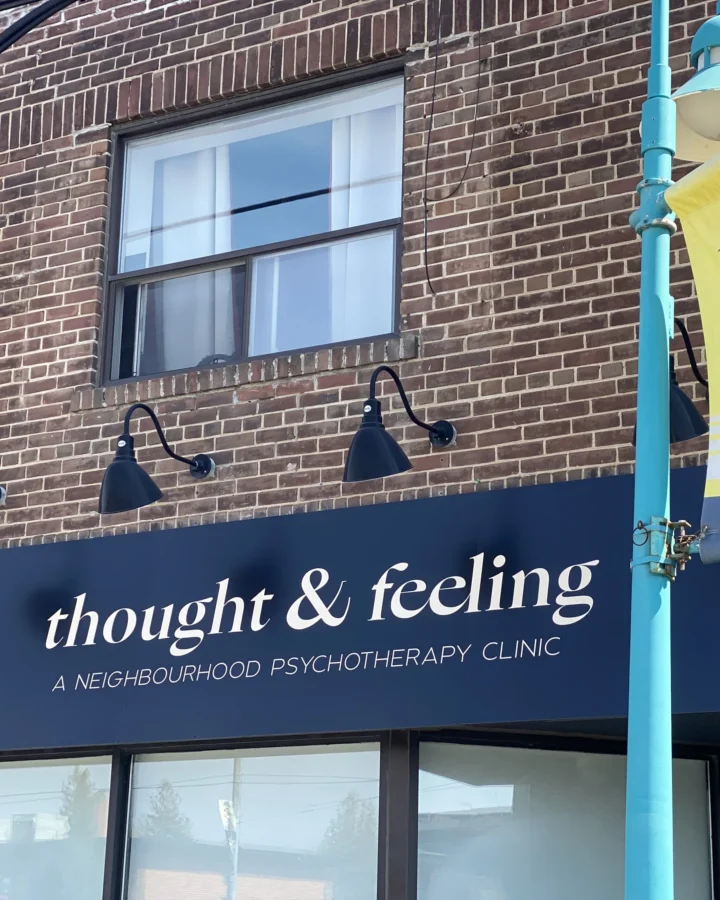
In person on Lake Shore
Meet in our calm, light-filled clinic at 3515 Lake Shore Blvd W, with soft light and hot drinks waiting. We are open seven days a week, with evening and weekend appointments.
-
Video sessions
Secure video sessions through Jane from anywhere in Ontario. Your link arrives with your appointment reminder.
-
Phone sessions
Talk from wherever you feel most comfortable, no camera needed.
Therapists who support newcomers
Select therapists on our team support newcomers and second-generation Canadians. Filter by language or availability, or ask us and we will help you find someone who feels like the right fit.

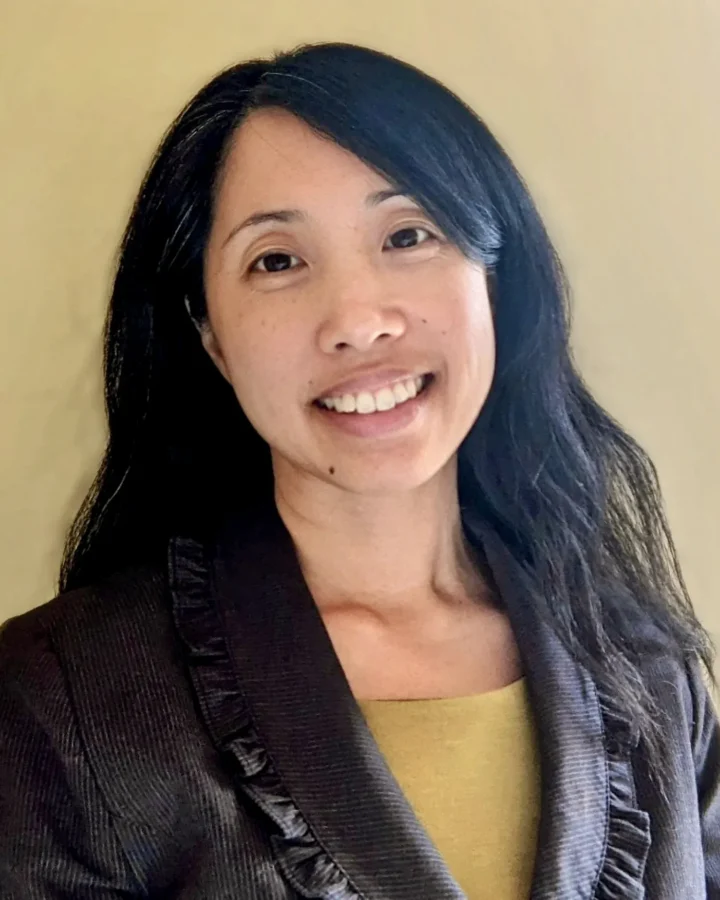
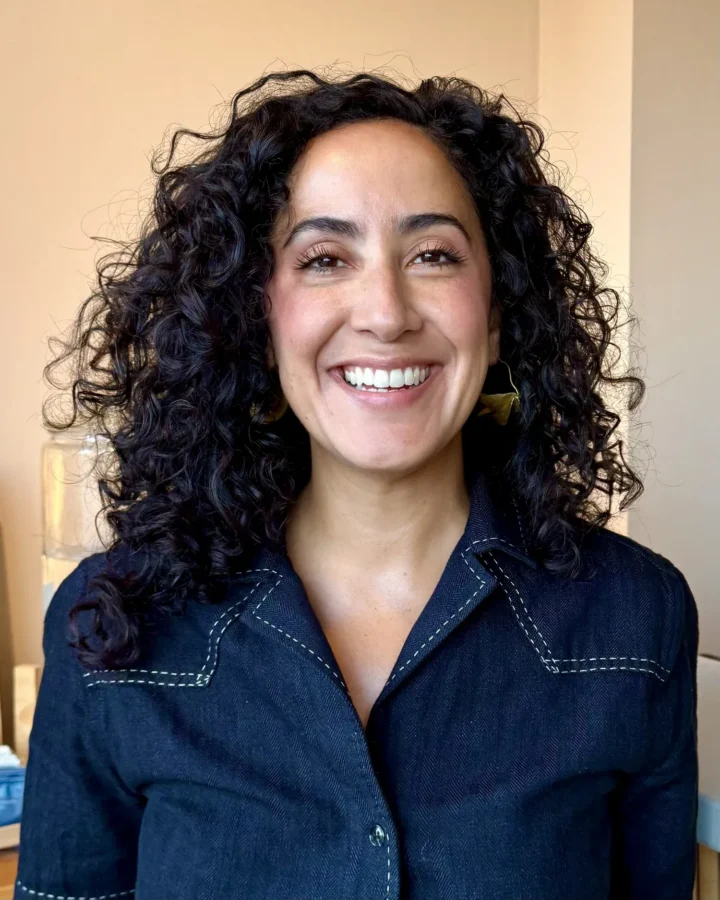
Every situation is different. Other therapists on our team may also be a good fit, so we confirm fit case by case and you can book a free 15-minute consult before deciding.
Fees and insurance
$170 to $190
Per 50-minute individual session, depending on your therapist, with longer sessions available as needed at a proportionate rate. Family sessions are $220 to $245. No tax is charged on psychotherapy sessions.
Please note: Always check directly with your insurance provider to confirm your coverage. We share general information to help you plan, but your plan decides what is covered.
- Covered by many extended health plans for Registered Psychotherapists and Registered Social Workers
- We do not direct bill: pay for each session, then submit your receipt to your insurer
- No referral needed to get started
- Cancel or reschedule free of charge with 24 hours notice
Newcomer therapy questions
Do I need to have arrived recently?
No. You are welcome whether you arrived last month or decades ago, and many of these questions can surface years later. International students, temporary workers, second-generation Canadians and children of immigrants are welcome too.
Can I have therapy in my first language?
It depends on the language and what you are looking for. Therapists on our team offer sessions in English, Cantonese, Mandarin, Hindi, Urdu, Punjabi, Spanish and Polish, but not every language is available for every concern. Check our therapists page or ask us and we will tell you what is possible.
Will my therapist understand my culture?
Your therapist will approach your culture with respect and curiosity, and will not assume they already know what it means to you. Some therapists on our team have their own immigration or family stories, and you are welcome to ask about their experience during your free 15-minute phone consult. You choose who feels right.
Is therapy confidential?
Yes. What you share in therapy is confidential, with a few exceptions set by law, such as serious safety concerns. We do not share what you say with your family, employer, school or immigration officials unless you give your consent or the law requires it. Your therapist will explain this at the start, and you can ask questions at any time.
I have never been to therapy. What happens in a first session?
A first session is a conversation. Your therapist will ask what brought you in, explain how therapy works and answer your questions. You decide what to share, and you do not need to have the right words.
Can my family come to sessions with me?
Yes, with select therapists on our team. You can start on your own and invite family members later, and our Family Therapy page explains how those sessions work. Ask about this when you reach out.
Can you help with my immigration application or write a letter?
Therapy here is emotional support, and our therapists do not give immigration or legal advice. If a lawyer or consultant has asked you for a letter or report, please tell us before you book so we can let you know what is possible. Your therapist can still support you through the stress of the process.
Is newcomer therapy covered by insurance?
Psychotherapy here is not covered by OHIP, but many extended health plans cover sessions with a Registered Psychotherapist or Registered Social Worker. Coverage varies, including for people on study or work permits, so contact your insurance plan directly to confirm yours. We do not direct bill: you pay for each session and submit your receipt to your insurer.
Please note: Always check directly with your insurance provider to confirm your coverage. We share general information to help you plan, but your plan decides what is covered.
Other ways we can help




Get started
Tell us your story
Tell us a little about what you are looking for, including any language you would prefer. We reply within 24 hours on business days and recommend a selection of therapists who may fit your needs.
New here
Tell us a little about what you are looking for and we will reply within 24 hours to help you find the right therapist.
Fill in the inquiry form- (647) 499-0440
- hello@thoughtandfeeling.ca
- 3515 Lake Shore Blvd W, Etobicoke
- Evening and weekend appointments available
New client inquiry
Private and secure. Only our intake team sees your answers.