Bipolar Disorder Therapy in Etobicoke Steadier ground through the highs and lows
Therapy alongside your medical care for people living with Bipolar I and II, and for the people who love them. Meet in person at our calm Lake Shore clinic or online anywhere in Ontario, with a therapist you choose.


About bipolar disorder therapy
Support for living well, not just getting by
You are more than your diagnosis. Therapy is a place to understand your patterns and build a life that feels like yours.
Bipolar disorder involves shifts in mood, energy and activity that go beyond everyday ups and downs. Bipolar I involves episodes of mania, and Bipolar II involves hypomania and periods of depression. Between episodes, many people feel well for long stretches, and the condition looks different for everyone.
Living with bipolar disorder can affect sleep, work, relationships, money and how you see yourself. It can also come with stigma and with worry about what might happen next. Therapy is a private, judgement-free space to talk about all of it and to build tools that help you feel more in charge of your life.
Therapy alongside your medical care
Bipolar disorder is usually treated with a combination of medical care and therapy. Our therapists work alongside your doctor or psychiatrist. They do not prescribe or change medication, and questions about medication belong with your medical team. What therapy offers is support with everything around it, from understanding your patterns to talking through how treatment fits into your life.
What people often bring to therapy
- Making sense of a new diagnosis, or one you have lived with for years
- Noticing early warning signs of a mood shift and planning what helps
- Building routines around sleep, work and rest that support stability
- Living with depression, which is often the longest and hardest part
- Repairing relationships and rebuilding trust after an episode
- Shame, stigma and deciding who to tell, and how
- Grieving plans that changed, and finding meaning and direction again
- Supporting a partner or family member who lives with bipolar disorder
How therapy can help
Your therapist might help you track your mood and energy, recognize what tends to come before a shift, and put together a plan for what to do when you notice it. Therapy can also be a place to work through the anxiety, guilt or loss that can follow an episode, and to strengthen the relationships that help you stay well. If you would like, loved ones can be part of some sessions.
A calm space, in person or online
Our clinic on Lake Shore Boulevard West was designed to feel calm and familiar, with soft light, natural wood and comfortable chairs. We encourage meeting in person when you can. Video and phone sessions are available anywhere in Ontario for the weeks when getting out the door feels like too much.
When you reach out, we reply within 24 hours on business days and recommend a selection of therapists who may fit your needs. You can book a free 15-minute phone consult with one or more of them and choose who feels right.
We are not a crisis service. If you or someone you love is in immediate danger, experiencing severe symptoms or thinking about harming themselves, call or text 988 or go to the nearest emergency department.
Signs you might benefit from extra support
Everyone's experience of bipolar disorder is different, and there is no threshold you need to meet. You might find support helpful if you are:
- Adjusting to a new diagnosis and unsure what it means for you
- Noticing changes in sleep, energy or mood and wanting a plan
- Feeling low or flat for long stretches between higher periods
- Picking up the pieces after an episode at work, home or with money
- Finding it hard to keep routines that help you stay well
- Feeling the weight of stigma, shame or worry about the future
- Noticing strain in your relationships or family
- Supporting someone you love who lives with bipolar disorder

Experiences we support
Bipolar disorder touches many parts of life. Here are some of the experiences therapists on our team help people work through.
After a diagnosis
Understanding what bipolar disorder means for you and what you want your life to look like.
-
Depression
Support through low mood, low energy and the heaviness that can last for weeks.
Early warning signs
Noticing what comes before a mood shift and planning what helps, with input from people you trust.
Sleep and routines
Building rhythms around sleep, work, meals and rest that support stability.
-
Anxiety
Worry about the next episode, or anxiety that shows up on its own.
-
Relationships and family
Communication, trust and repair with partners, family and friends.
-
Work and school
Managing demands, deciding what to share and returning after time away.
Stigma and identity
Making peace with a diagnosis and deciding how it fits into your story.
-
Supporting a loved one
Help for partners and family members who want to support someone and look after themselves too.
Some approaches our therapists use
There is no single way through this. Your therapist will draw on approaches that suit you and explain how they work along the way.
-
Cognitive Behavioural Therapy
Notice the thoughts and habits linked to shifts in mood, and practise steadier ways to respond in both high and low periods.
-
Dialectical Behaviour Therapy
Build skills for strong emotions, impulses and distress, so you have practical tools ready when things start to change.
-
Mindfulness-Based Approaches
Tune in to early changes in your body, energy and sleep, and find moments of steadiness in the middle of a busy mind.
-
Acceptance and Commitment Therapy
Live by what matters to you alongside the ups and downs, rather than putting your life on hold until everything feels settled.
-
Solution-Focused Therapy
Focus on what already helps you stay well, and build on those strengths with small, realistic steps forward.
-
Narrative Therapy
Tell your story in your own words, and separate who you are from the diagnosis and the assumptions others may make.
-
Compassion-Focused Therapy
Soften the guilt and shame that can follow an episode, and treat yourself with more kindness on the harder days.
-
Internal Family Systems
Get to know the parts of you that worry, push through or protect you, with curiosity rather than judgement.
What to expect
From your first message to ongoing sessions, here is how bipolar disorder therapy works at Thought & Feeling.
-
Send an inquiry
Fill in the form below or call (647) 499-0440. Share as much or as little as you like. We reply within 24 hours on business days.
-
Choose your therapist
We recommend a selection of therapists who may fit your needs. Book a free 15-minute phone consult with one or more of them and choose who feels right.
-
Your first session
Your therapist will get to know you, your history and what you would like help with. You decide what to share and when, and therapy works alongside any care you already have.
-
Moving forward
Sessions follow a rhythm that suits you, weekly, every other week or more often during harder periods. You can adjust any time.


In person or online, your choice
-
In person on Lake Shore
Meet in our calm, light-filled clinic at 3515 Lake Shore Blvd W, with natural wood, soft light and hot drinks waiting. The 507 Long Branch streetcar and parking are right out front.
-
Video sessions
Secure video sessions through Jane from anywhere in Ontario, helpful during weeks when leaving home feels hard.
-
Phone sessions
Talk from wherever you feel most comfortable, no camera needed.
Therapists who support bipolar disorder
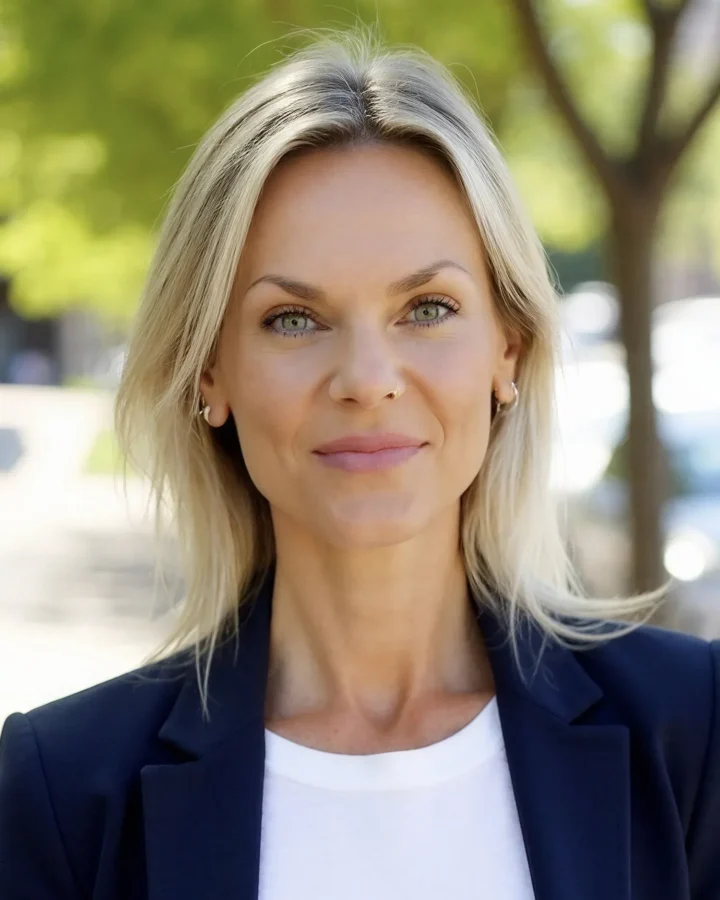
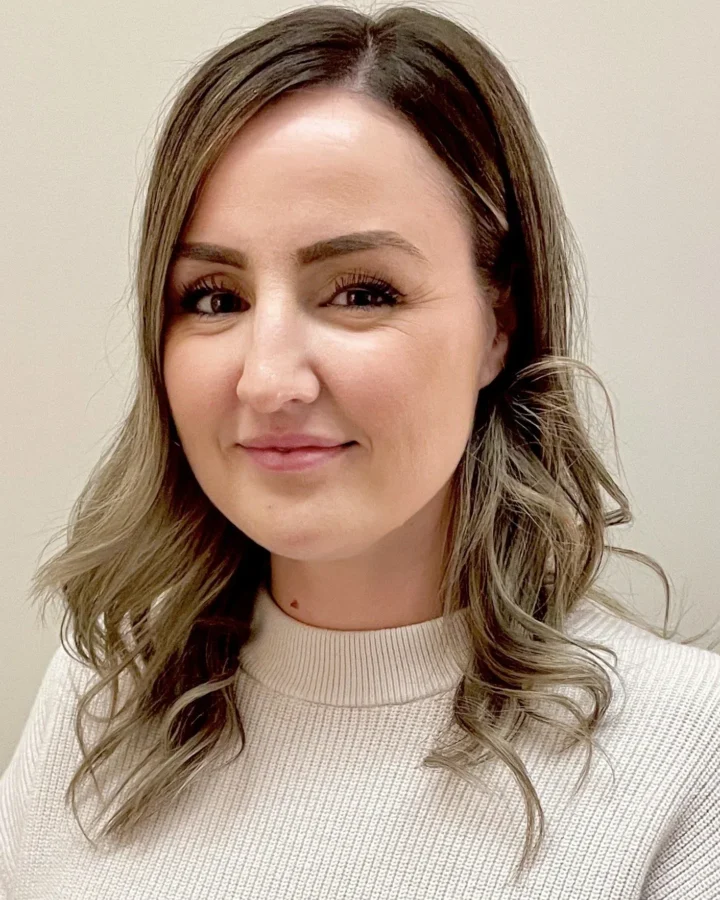
Therapists on our team support people living with Bipolar I and II, and the people who love them. Filter by language or availability to find someone who feels like the right fit.
-
 Accepting new clients
Afshan Ullah
English, Hindi, Punjabi, Urdu
Meet Afshan -
Accepting new clients
Brenda Tsang
English, Cantonese, Mandarin
Meet Brenda -
Accepting new clients
Heather Saumer
Meet Heather -
Accepting new clients
Kat Parker
Meet Kat -
Accepting new clients
Katherine Chung-Aguilar
Meet Katherine -
Accepting new clients
Kim Dinh
Meet Kim -
Accepting new clients
Monika Arent
English, Polish
Meet Monika -
Accepting new clients
Shagun Sharma
English, Hindi, Urdu
Meet Shagun -
Not accepting clients
Sydney Brooks
Meet Sydney







Every situation is different. Other therapists on our team may also be a good fit, so we confirm fit case by case and you can book a free 15-minute consult before deciding.
Fees and insurance
$170 to $190
Per 50-minute individual session, depending on your therapist, with longer sessions available as needed at a proportionate rate. Couples sessions are $195 to $225 and family sessions are $220 to $245. No tax is charged on psychotherapy sessions.
Please note: Always check directly with your insurance provider to confirm your coverage. We share general information to help you plan, but your plan decides what is covered.
- Covered by many extended health plans for Registered Psychotherapists and Registered Social Workers
- We do not direct bill: pay for each session, then submit your receipt to your insurer
- No referral needed to get started
- Cancel or reschedule free of charge with 24 hours notice
Bipolar disorder therapy questions
Can therapy replace medication for bipolar disorder?
No. Bipolar disorder is usually treated with a combination of medical care and therapy, and our therapists do not prescribe or change medication. Your doctor or psychiatrist can answer questions about medication, and your therapist works alongside that care.
Do I need a diagnosis or referral to start?
No. You do not need a referral. You are welcome whether you have a diagnosis, are waiting for an assessment or are wondering whether your mood changes have a name.
Can you diagnose bipolar disorder?
No. Diagnosis is made by a doctor, psychiatrist or psychologist. If you are wondering about bipolar disorder, talk with your doctor, and your therapist can support you through that process.
Can my partner or family come to sessions?
Yes. Loved ones can join some sessions if that would help, and select therapists on our team offer couples and family sessions. Family members can also come on their own for support.
What happens if I start to feel unwell between sessions?
Your therapist can help you build a plan for what to do if you notice early warning signs, including who to contact. We are not a crisis service, so in an emergency call or text 988 or go to the nearest emergency department.
Can I have sessions online?
Yes. Video and phone sessions are available anywhere in Ontario, and you can switch between in-person and online sessions as your needs change.
Is this therapy covered by insurance?
Many extended health plans cover psychotherapy with a Registered Psychotherapist or Registered Social Worker, but coverage varies, so contact your insurance plan directly to confirm yours. We do not direct bill: you pay for each session and submit your receipt to your insurer.
Please note: Always check directly with your insurance provider to confirm your coverage. We share general information to help you plan, but your plan decides what is covered.
Other ways we can help




Get started
Reach out when you are ready
Tell us a little about what you are looking for. We reply within 24 hours on business days and recommend a selection of therapists who may fit your needs.
New here
Tell us a little about what you are looking for and we will reply within 24 hours to help you find the right therapist.
Fill in the inquiry form- (647) 499-0440
- hello@thoughtandfeeling.ca
- 3515 Lake Shore Blvd W, Etobicoke
- Evening and weekend appointments available
New client inquiry
Private and secure. Only our intake team sees your answers.