Body Dysmorphia Therapy in Etobicoke Quiet the mirror, widen the view
Compassionate support for body dysmorphia and the appearance worries that take up so much of your day. Meet in person at our calm Lake Shore clinic or online anywhere in Ontario, with a therapist you choose.


About body dysmorphia therapy
When how you look takes over
What you see in the mirror is real to you. Therapy will not argue with it, but it can help it loosen its hold.
Body dysmorphia, or body dysmorphic disorder, involves being preoccupied with one or more parts of your appearance that you believe are flawed, even when others cannot see them or think they are minor. The worry can take hours of the day and come with repeated checking, comparing or hiding, along with a lot of distress.
It is much more than vanity or low confidence. Body dysmorphia can affect people of any gender or age, and it often starts in the teen years. Many people keep it to themselves for a long time because they feel embarrassed or worry they will not be taken seriously. You will be taken seriously here.
What it can look like
- Checking mirrors or reflections often, or avoiding them completely
- Comparing your appearance with others in person or online
- Covering or camouflaging a feature with makeup, clothing, hair or posture
- Asking others for reassurance about how you look
- Picking at skin, excessive grooming or repeated photos and editing
- Seeking cosmetic procedures that do not ease the worry for long
- Avoiding social plans, photos, dating, work or school
How therapy can help
Body dysmorphia is closely related to OCD, and the approaches that help often look similar. Cognitive Behavioural Therapy, including Exposure and Response Prevention, is the most widely researched approach. With your therapist, you might gradually reduce checking and hiding, loosen the hold of comparison and self-criticism, and spend more of your time and attention on the things that matter to you. You set the pace, and nothing happens without your agreement.
Working alongside your medical care
Some people find medication helpful alongside therapy. Our therapists do not prescribe or give medical advice, so talk with your doctor about whether it might be right for you. Your therapist can work alongside any care you already have.
How this differs from eating disorders
Body dysmorphia often focuses on a specific feature, such as skin, hair, nose or muscle size, rather than weight and eating. When worries centre on weight, shape and food, our Disordered Eating and Eating Disorders page may fit better. The two can overlap, and you do not need to work out which one fits before you reach out.
When you reach out, we reply within 24 hours on business days and recommend a selection of therapists who may fit your needs. You can book a free 15-minute phone consult with one or more of them and choose who feels right.
We are not a crisis service. If you are in immediate danger or thinking about harming yourself, call or text 988 or go to the nearest emergency department.
Signs you might benefit from extra support
Appearance worries look different for everyone, and there is no threshold you need to meet. You might find support helpful if you are:
- Spending an hour or more a day thinking about a part of your appearance
- Checking mirrors, reflections or photos again and again
- Avoiding mirrors, cameras or being seen in certain light
- Hiding a feature with clothing, makeup, hair or posture
- Comparing yourself with others and coming away feeling worse
- Asking for reassurance that never quite settles the worry
- Cancelling plans, dates or work because of how you look
- Considering cosmetic procedures to ease the distress

Experiences we support
Appearance worries can show up in many ways. Here are some of the experiences therapists on our team help people work through.
Body dysmorphia
Preoccupation with features you see as flawed, and the checking and hiding that come with it.
Muscle dysmorphia
Worry that your body is too small or not muscular enough, and the routines that build around it.
Skin picking
Picking, grooming or other repetitive behaviours that are hard to stop.
Comparison and social media
Loosening the pull of photos, filters and constant comparison.
-
Body image and eating
When appearance worries are tied to weight, shape or food.
-
OCD
Intrusive thoughts and compulsions that may overlap with body dysmorphia.
-
Social anxiety
Fear of being seen, judged or looked at by others.
-
Gender and body
Affirming support when body distress is connected to gender identity.
-
Low mood
The heaviness and isolation that can build when appearance worries take over.
Some approaches our therapists use
There is no single way through this. Your therapist will draw on approaches that suit you and explain how they work along the way.
-
Cognitive Behavioural Therapy
Understand the cycle of worry, checking and avoidance, and loosen the beliefs that make appearance feel so central.
-
Exposure and Response Prevention
Step by step, reduce checking, hiding and reassurance seeking, at a pace you agree to with your therapist.
-
Acceptance and Commitment Therapy
Make room for uncomfortable thoughts about your appearance while you move toward the people and plans that matter to you.
-
Compassion-Focused Therapy
Soften the harsh inner critic and the shame that often come with body dysmorphia, and practise a kinder way of relating to yourself.
-
Mindfulness-Based Approaches
Notice appearance thoughts as passing events in the mind, without needing to check, hide or act on them each time.
-
Dialectical Behaviour Therapy
Build skills for strong emotions and urges to pick, check or hide, so you have options when distress peaks.
-
Internal Family Systems
Get to know the parts of you that scrutinize, protect or hide, with curiosity rather than judgement.
-
Narrative Therapy
Separate who you are from what body dysmorphia tells you about yourself, and tell a fuller story of your life.
What to expect
From your first message to ongoing sessions, here is how body dysmorphia therapy works at Thought & Feeling.
-
Send an inquiry
Fill in the form below or call (647) 499-0440. Share as much or as little as you like. We reply within 24 hours on business days.
-
Choose your therapist
We recommend a selection of therapists who may fit your needs. Book a free 15-minute phone consult with one or more of them and choose who feels right.
-
Your first session
Your therapist will get to know you and how appearance worries show up in your life. You decide what to share and when, and you do not need a diagnosis to start.
-
Moving forward
Sessions follow a rhythm that suits you, often weekly at first and then every other week. You can adjust any time.
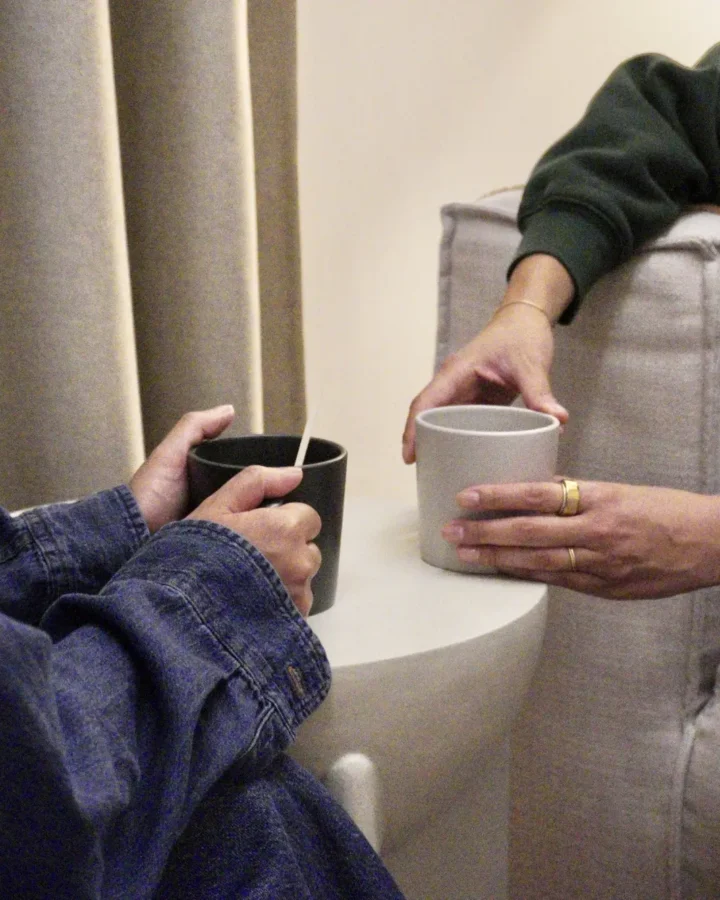
In person or online, your choice
-
In person on Lake Shore
Meet in our calm, light-filled clinic at 3515 Lake Shore Blvd W, with soft light and hot drinks waiting. The 507 Long Branch streetcar and parking are right out front.
-
Video sessions
Secure video sessions through Jane from anywhere in Ontario. You can turn off self-view if seeing yourself on screen is distracting.
-
Phone sessions
Talk from wherever you feel most comfortable, no camera needed, which many people with appearance worries find easier.
Therapists who support body dysmorphia
Therapists on our team support body dysmorphia, body image and related concerns. Filter by language or availability to find someone who feels like the right fit.

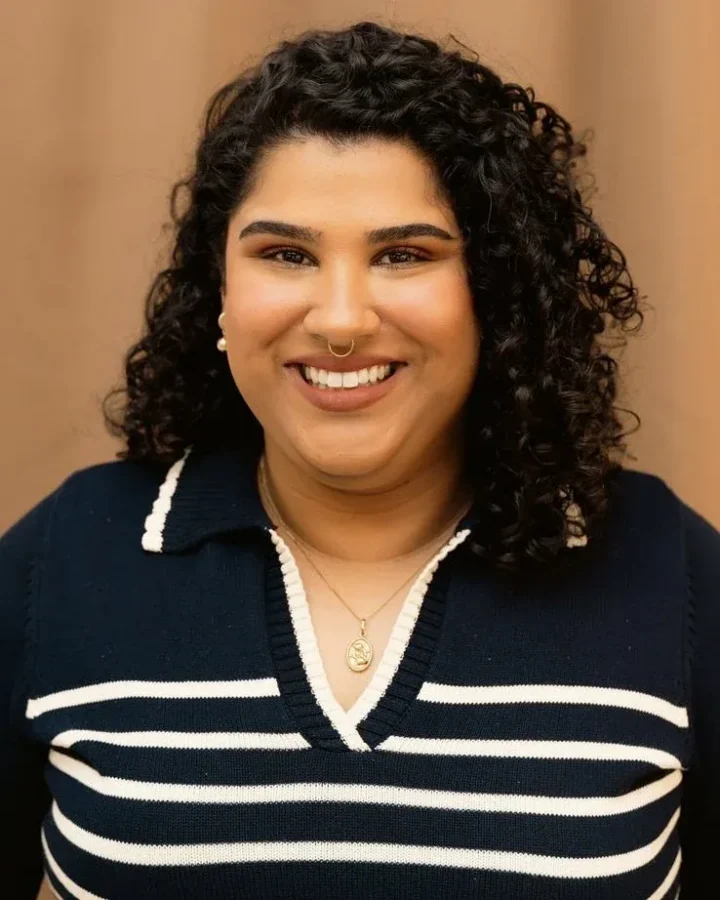

Every situation is different. Other therapists on our team may also be a good fit, so we confirm fit case by case and you can book a free 15-minute consult before deciding.
Fees and insurance
$170 to $190
Per 50-minute individual session, depending on your therapist, with longer sessions available as needed at a proportionate rate. No tax is charged on psychotherapy sessions.
Please note: Always check directly with your insurance provider to confirm your coverage. We share general information to help you plan, but your plan decides what is covered.
- Covered by many extended health plans for Registered Psychotherapists and Registered Social Workers
- We do not direct bill: pay for each session, then submit your receipt to your insurer
- No referral needed to get started
- Cancel or reschedule free of charge with 24 hours notice
Body dysmorphia therapy questions
Is body dysmorphia just low self-esteem or vanity?
No. Body dysmorphia is a recognized mental health condition that can cause real distress and take up hours of the day. It is not about vanity, and it is not something you can simply stop thinking about.
Do I need a diagnosis to start therapy?
No. You do not need a diagnosis or a referral. If appearance worries are taking up a lot of your time or energy, that is reason enough to reach out.
Will my therapist try to convince me I look fine?
No. Reassurance tends to help only briefly. Instead, your therapist will help you change your relationship with the worry, so it takes up less of your time and has less say in how you live.
Can I have sessions without being on camera?
Yes. Phone sessions are available anywhere in Ontario, and in video sessions you can turn off self-view. You can also meet in person at our clinic.
Do you work with teens?
Body dysmorphia often begins in the teen years. Let us know the age of the person seeking support and we will recommend therapists who work with that age group.
Can medication help?
Some people find medication helpful alongside therapy. Our therapists do not prescribe or give medical advice, so talk with your doctor about whether it might be right for you.
Is this therapy covered by insurance?
Many extended health plans cover psychotherapy with a Registered Psychotherapist or Registered Social Worker, but coverage varies, so contact your insurance plan directly to confirm yours. We do not direct bill: you pay for each session and submit your receipt to your insurer.
Please note: Always check directly with your insurance provider to confirm your coverage. We share general information to help you plan, but your plan decides what is covered.
Other ways we can help
-

Eating Disorders & Disordered Eating
Weight-inclusive support for food and body image.
Learn more -
OCD
Step out of the cycle of intrusive thoughts and compulsions.
Learn more -
Anxiety
Calm the worry and find steadier ground.
Learn more -
Self-esteem
A kinder relationship with yourself and your inner critic.
Learn more




Get started
Reach out when you are ready
Tell us a little about what you are looking for. We reply within 24 hours on business days and recommend a selection of therapists who may fit your needs.
New here
Tell us a little about what you are looking for and we will reply within 24 hours to help you find the right therapist.
Fill in the inquiry form- (647) 499-0440
- hello@thoughtandfeeling.ca
- 3515 Lake Shore Blvd W, Etobicoke
- Evening and weekend appointments available
New client inquiry
Private and secure. Only our intake team sees your answers.